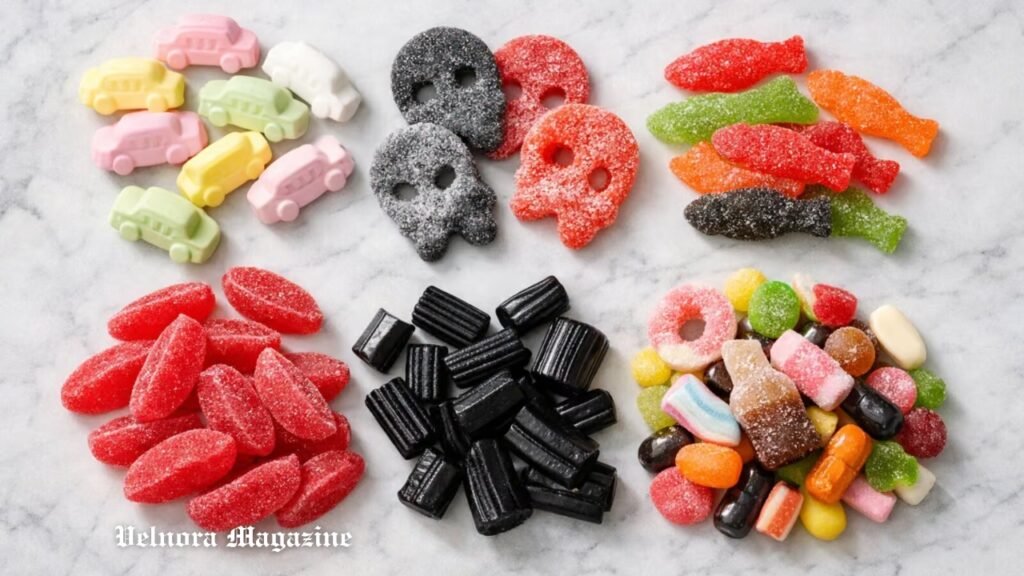
European confectionery manufacturers and international grocery retailers are experiencing a significant surge in consumer demand as UK shoppers increasingly embrace diverse European sweets for everyday snacking and seasonal traditions. Driven by nostalgic childhood memories, holiday travel, and expanding specialty food markets, consumers across the region are moving beyond standard high-street chocolate bars to seek out authentic continental candy variations. This cultural shift highlights how shifting consumer palates and specialized importers are redefining modern retail confectionery landscapes across the United Kingdom and continental Europe.
Market Evolution
The landscape of European confectionery is fundamentally shaped by distinct regional flavor preferences and historic manufacturing methods. Rather than adhering to a single universal standard of sweetness, continental producers balance fruit acidity, cocoa intensity, earthy herbal botanicals, and rich dairy bases.
Shoppers navigating European candy selections encounter a broad spectrum of textures that vary significantly from nation to nation. German gummy production, Swiss chocolate craftsmanship, and Scandinavian liquorice processing each reflect unique culinary traditions refined over generations of commercial production.
Gummy Varieties
Gummy candies represent one of the most commercially successful segments within continental confectionery exports. These chewy, fruit-flavored items appear in countless geometric and novelty shapes, ranging from classic bears and fruit slices to fizzy sour rings and cola bottles popular with younger demographics.
Germany remains the central hub for global gummy innovation, largely credited to foundational brands like Haribo that popularized gel-based chewy candies internationally. Modern gummy production encompasses varying firmness levels, including soft fruit jellies, dense elastic chews, and sour sugar coatings designed to deliver high flavor contrast.
Fruit Jellies
Fruit jellies and pastilles occupy a distinct niche within European sweet markets, offering a softer bite and higher concentration of fruit flavor compared to standard elastic gummies. Often finished with a fine sugar dust or smooth glaze, these items appeal to mature consumers seeking refined confectionery options.
In regions such as France and the UK, traditional fruit pastilles and pâte de fruit-style recipes are deeply tied to heritage food traditions. These products are frequently marketed as premium gift options, tea-time accompaniments, or elegant post-meal palate cleansers rather than casual everyday impulse buys.
Liquorice Traditions
Liquorice represents one of the most polarized categories in the European candy sector, maintaining immense popularity across Northern Europe, the Netherlands, and the Scandinavian nations. Characterized by its earthy, herbal, and occasionally sharp profile, it offers a dramatic departure from standard sugar-heavy treats.
Nordic producers are particularly famous for salted liquorice, an acquired taste infused with ammonium chloride that creates a sharp, savory bite. While unfamiliar palates may find the intensity surprising, liquorice remains a primary staple in Northern European grocery aisles, demonstrating how strongly local tastes influence regional food production.
Hard Candies
Boiled sweets and hard candies remain fundamental pillars of traditional European confectionery, valued for their long shelf life and slow flavor release. Typically wrapped individually in foil or cellophane, these candies continue to hold steady shelf space in supermarkets, travel hubs, and local corner shops.
Herbal drops, menthol drops, honey-infused lozenges, and classic fruit drops remain permanent fixtures in European pantries. These candies are frequently consumed for post-meal refreshment or throat care, maintaining high demand despite the continuous arrival of newer chewy and chocolate-based snack innovations.
Chocolate Innovations
European chocolate manufacturing holds an unparalleled global reputation for quality, led by renowned production centers in Switzerland, Belgium, and Germany. Industry coverage from outlets like the Confectionery News continually highlights how European chocolatiers drive global trends through sustainable cocoa sourcing and advanced texture blending.
The market spans everything from high-cocoa dark bars to rich hazelnut pralines, cream-filled truffles, and aerated chocolate snacks. By combining distinct textures such as crispy biscuit layers, smooth ganache, and whole toasted nuts, European chocolatiers maintain a dominant share of both everyday and luxury confectionery sectors.
Crisp Wafers
In many European markets, the distinction between candies, biscuits, and daily snacks is fluid, giving rise to hugely popular chocolate-coated wafer products. These lightweight, layered crispy snacks provide a balanced blend of crunch and smooth cream fillings, making them ideal for casual consumption alongside coffee or tea.
Wafer snacks filled with hazelnut, vanilla, cocoa, or fruit-flavored creams represent a major component of school lunchboxes and office pantries throughout Central and Eastern Europe. Their practical packaging and light bite make them highly competitive against traditional heavy chocolate bars.
Regional Nougats
Caramels, nougats, and nut-based confections highlight the deep agricultural roots of Southern European candy making. French butter caramels, Italian torrone, and Spanish turrón rely heavily on local dairy, honey, and nut harvests such as almonds, pistachios, and hazelnuts.
These dense, nut-rich confections are often tied to festive cultural celebrations, providing a rich sensory experience that contrasts sharply with light fruit gummies. Their enduring popularity reflects an ongoing consumer appreciation for artisanal heritage and traditional regional recipes.
Seasonal Trends
Seasonal demand drives significant revenue surges for European confectionery producers, with holidays like Christmas, Easter, and Autumn carnivals bringing specialized limited-edition offerings to market. Traditional marzipan figures, spiced holiday biscuits, chocolate eggs, and advent calendars dominate retail displays during these key sales windows.
To access these specialized holiday offerings and year-round regional staples, international consumers in the UK increasingly turn to specialty online importers such as EuropaFoodXB. These retail platforms bridge the distribution gap, allowing shoppers, expatriates, and food enthusiasts to easily order authentic continental products directly to their homes.
Market Comparison
To understand how different European countries specialize in specific sweet categories, the table below provides a breakdown of regional confectionery strengths, typical ingredient bases, and primary consumer appeal:
| Confectionery Category | Primary Origin Regions | Key Ingredients | Popular Consumer Usage |
|---|---|---|---|
| Gummy Sweets | Germany, Central Europe | Gelatin/Pectin, Fruit Juices | Casual Snacking, Party Sharing |
| Salted Liquorice | Scandinavia, Netherlands | Liquorice Root, Salmiak Salt | Traditional Everyday Treating |
| Fine Chocolates | Switzerland, Belgium | Cocoa Butter, Hazelnut Paste | Gifting, Luxury Consumption |
| Nut Turrón & Nougat | Spain, Italy, France | Almonds, Honey, Egg Whites | Festive Holidays, Celebrations |
| Crisp Wafers | Austria, Eastern Europe | Layered Wafer, Cocoa Cream | Coffee Breaks, Lunchbox Snacks |
Core Highlights
Key drivers behind the rising popularity of European sweetsinclude their **unmatched regional diversity and varied flavor profiles the global expansion of German gummy candy manufacturing**, the **enduring demand for premium Swiss and Belgian chocolates, the growth of online international grocery importers**, and the **strong emotional connection to seasonal holiday candy traditions.
Final Thoughts
The remarkable expansion of European confectionery across international markets underlines a permanent shift toward flavor diversity and specialized food retail. As consumer curiosity grows and cross-border e-commerce simplifies access to regional continental treats, the demand for authentic, heritage-backed sweets will continue to outpace generic market offerings. Moving forward, the European candy industry is exceptionally well-positioned to maintain its global leadership by balancing centuries-old artisanal recipes with modern manufacturing efficiency.